
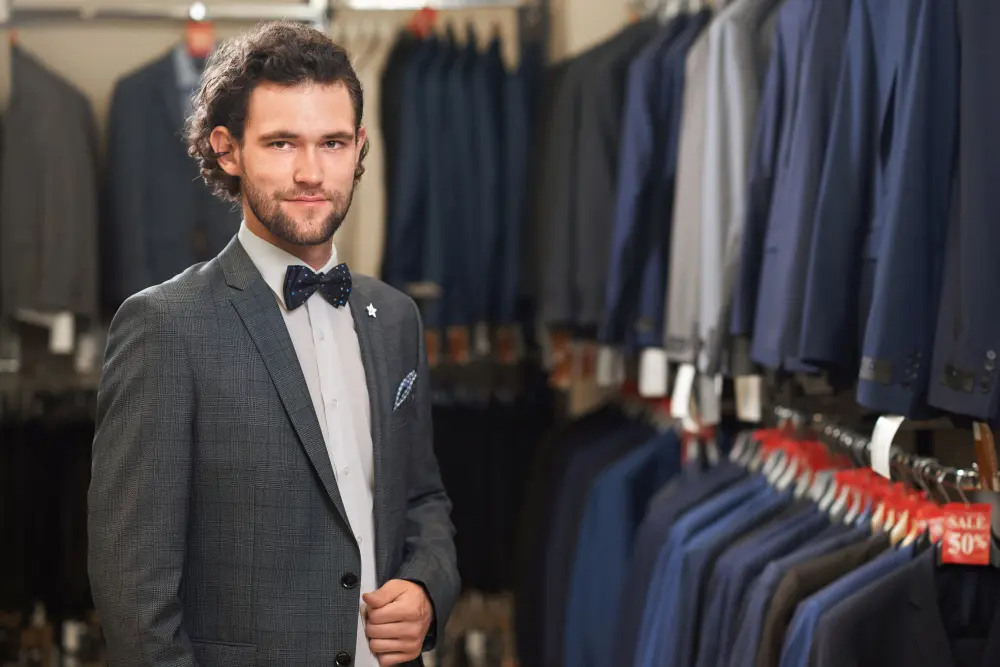
For many people, the first bespoke suit feels unfamiliar before it begins. Questions usually come up immediately:
How long does the process take?
How many fittings are involved?
What exactly makes it different from buying a luxury ready-made suit?
The answer is less about complexity and more about precision. Bespoke tailoring is structured around creating a garment specifically for one individual rather than adapting an existing product to fit them.
Understanding the process beforehand makes the experience far more comfortable—and helps clients make better decisions from the start.
The Consultation Comes Before the Fabric
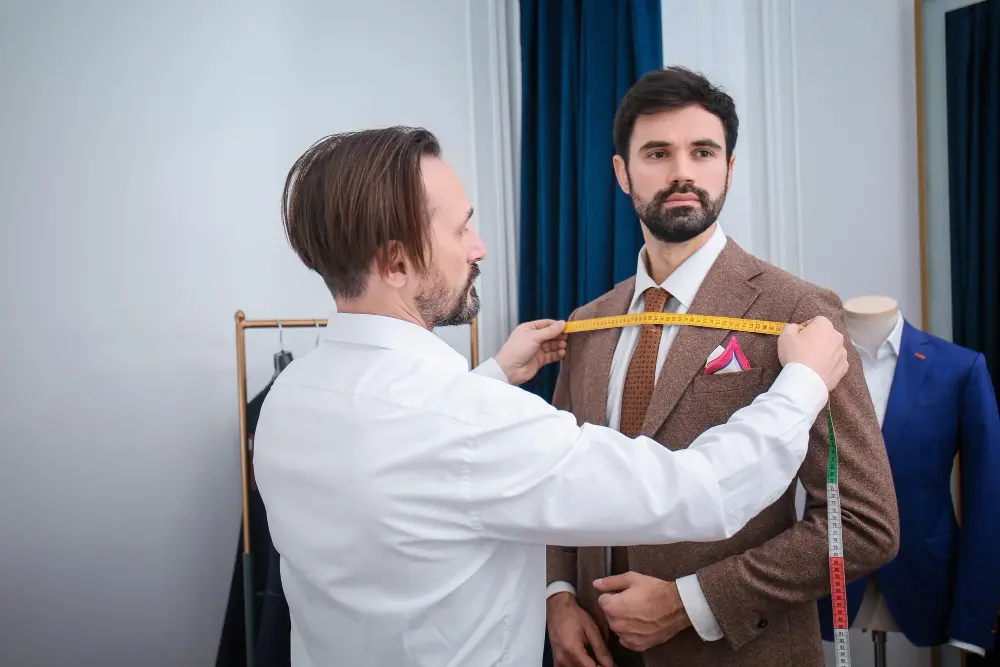
Most first-time clients expect the process to begin with colour or fabric selection. In reality, the first conversation is usually about lifestyle.
At House of Tailors in Dubai, the consultation often focuses on:
- where the suit will be worn
- how frequently it will be used
- climate considerations
- preferred structure and fit
- whether the garment is for business, weddings, travel, or formal occasions
A suit designed for daily corporate wear in Dubai will be approached differently from one intended for evening events or destination weddings.
This stage helps define the direction of the garment before any technical decisions are made.
Fabric Selection Becomes More Specific
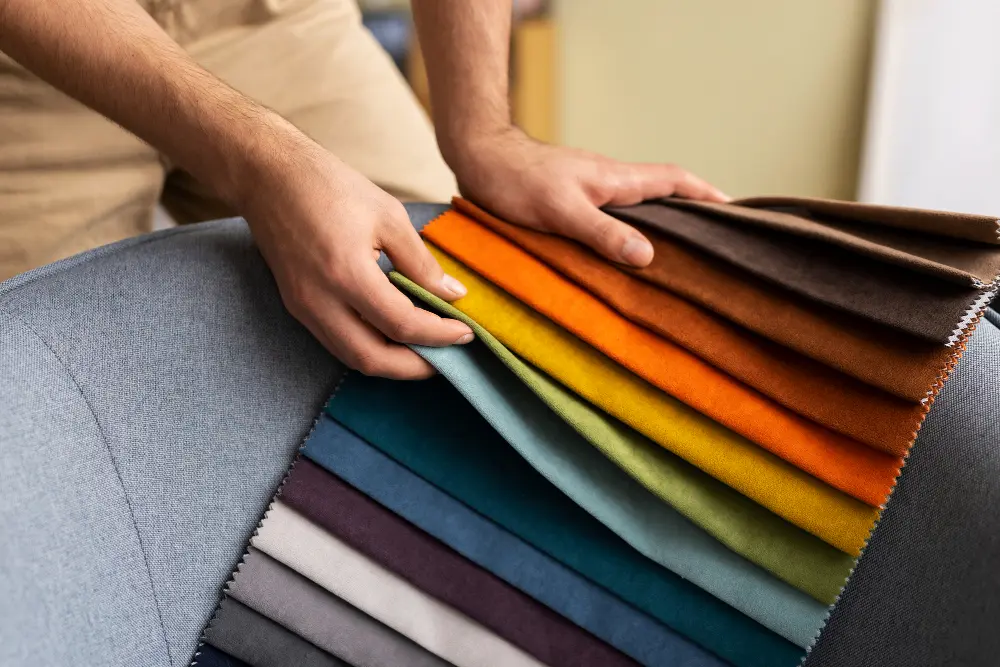
Once the purpose is clear, fabric selection becomes easier to narrow down.
First-time clients are often surprised by how many factors influence fabric choice:
- weight
- weave
- drape
- wrinkle resistance
- breathability
- structure
Someone spending long hours between outdoor heat and air-conditioned offices may require lightweight high-twist wool. A groom planning an outdoor wedding may lean towards linen blends or softer fabrics with more movement.
This part of the process is usually more practical than people expect. The discussion is not only about appearance—it’s about performance over time.
Measurements Go Beyond Standard Sizing
One of the biggest differences in bespoke tailoring is how measurements are approached.
Standard sizing assumes symmetry. Most bodies are not perfectly symmetrical.
During measurements, the tailor assesses:
- shoulder balance
- posture
- arm position
- stance
- body distribution
- natural movement
These details influence how the pattern is drafted.
At House of Tailors in Dubai, measurements are used to create an individual paper pattern rather than simply adjusting a pre-existing size block.
This becomes especially important for clients who have struggled with ready-to-wear fit in the past.
The First Fitting Is About Structure
Many first-time clients expect the initial fitting to look nearly finished. Usually, it does not.
The first fitting is often focused on:
- jacket balance
- shoulder position
- chest shape
- sleeve pitch
- trouser line
At this stage, adjustments are easier to make because the garment is still in development.
This is where bespoke tailoring separates itself from standard alterations. The suit is still evolving around the client’s body rather than being corrected after completion.
Multiple Fittings Are Normal
A proper bespoke process usually involves more than one fitting.
This allows gradual refinement:
- correcting balance
- improving movement
- adjusting proportions
- refining overall silhouette
Clients new to bespoke sometimes assume additional fittings mean something went wrong. In reality, fittings are part of the process itself.
The goal is not speed. The goal is accuracy.
Delivery Is Only the Final Stage
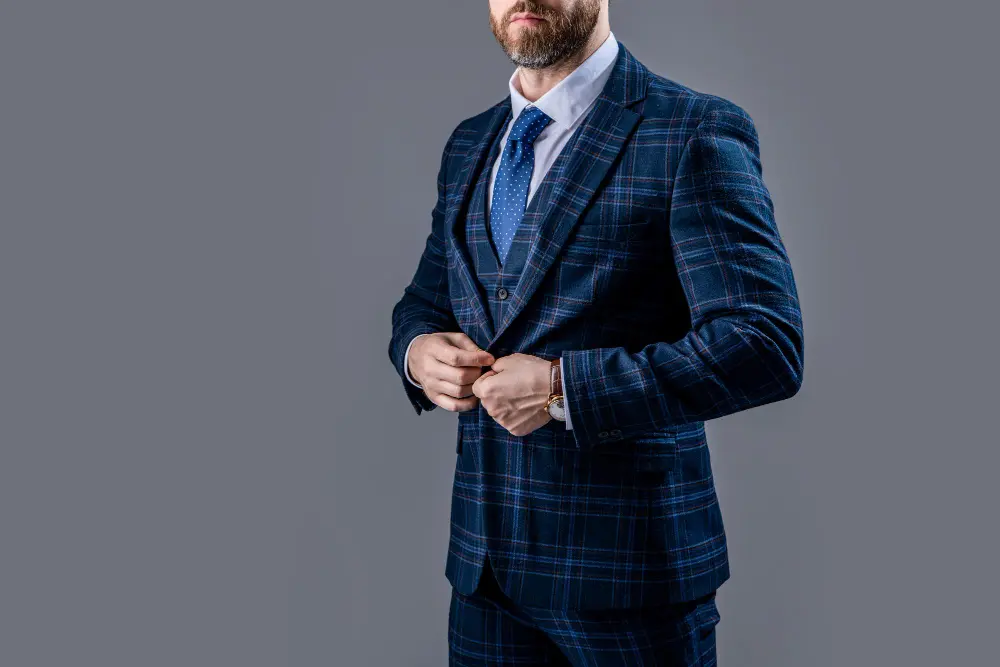
Receiving the finished garment is not simply about trying on a completed suit.
The final review typically checks:
- how the suit behaves while moving
- sleeve and trouser finishing
- comfort while seated and standing
- overall proportion
Small refinements may still happen before final approval.
At House of Tailors in Dubai, the process continues until the garment feels settled on the wearer rather than simply “fitting.”
What First-Time Clients Usually Learn
Most first-time bespoke clients discover that the difference is not only visual.
It’s often the first time they notice:
- how a jacket should sit naturally on the shoulders
- how much movement affects comfort
- how fabric changes the behaviour of a suit
- how construction influences shape throughout the day
The experience tends to change how clients evaluate clothing afterwards—even outside tailoring.
How Long Does the Process Usually Take?
The timeline depends on:
- garment complexity
- fabric availability
- fitting schedules
Generally:
- made-to-measure garments may take around 10–14 days
- bespoke tailoring often requires several weeks due to fittings and pattern development
For weddings or important occasions, starting early makes a significant difference.
Final Thought
The first bespoke suit is rarely about owning a more expensive garment. It’s usually about understanding how different clothing feels when it is built specifically around the wearer.
Once clients experience that difference—through fit, comfort, and consistency—it changes the way they approach tailoring entirely.