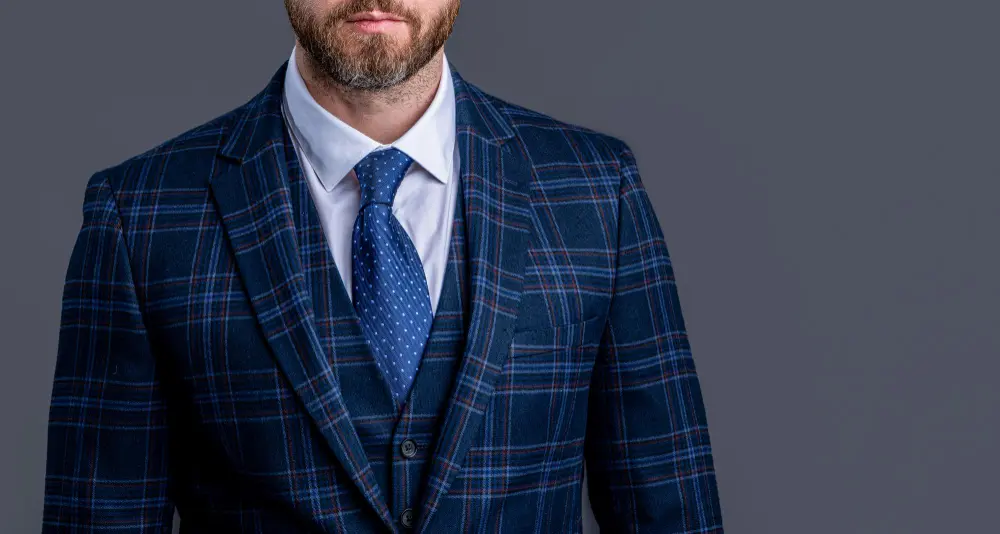
For decades, structured tailoring defined formal menswear. Strong shoulders, heavier canvassing, rigid chest construction, and sharply built silhouettes were often associated with authority and professionalism.
That approach still exists, but the way people wear tailoring has changed significantly.
Across business, travel, and social settings, clients are increasingly moving toward softer tailoring — garments that maintain shape and structure while feeling lighter, easier, and more natural to wear throughout the day.
For many professionals, comfortable tailored suits are no longer defined by fabric alone. Construction, fit, and garment balance all contribute to how a suit performs during long hours of wear.
The shift is not about dressing casually. It’s about changing how formal clothing behaves on the body.
Why Tailoring Started Becoming Softer
The modern work environment looks very different from what it did twenty years ago.
Professionals now move through:
- meetings
- airports
- co-working spaces
- events
- restaurants
- presentations
- hybrid work environments
often within the same day.
Traditional rigid tailoring was designed for a more static lifestyle. Many modern clients no longer want clothing that feels overly formal or physically restrictive for long hours.
This has gradually changed what people expect from a suit.
At House of Tailors in Dubai, many clients still want structure and presence, but they increasingly prefer garments that feel easier during movement and long wear.
Soft Tailoring Still Requires Structure
One common misunderstanding is that soft tailoring means shapeless clothing. It does not.
A well-made soft jacket still maintains:
- clean proportions
- proper balance
- chest shape
- drape
- silhouette
The difference is in how the structure is built internally.
Instead of relying on:
- heavy shoulder padding
- stiff chest construction
- dense internal layers
soft tailoring reduces unnecessary rigidity while allowing the garment to move more naturally with the wearer.
The result usually feels less formal physically, even when the visual appearance remains polished.
The Shoulder Has Changed Dramatically
One of the clearest signs of soft tailoring is shoulder construction.
Older tailoring styles often used strong padded shoulders to create a sharper silhouette. While visually powerful, these jackets could feel heavy after extended wear.
Modern soft tailoring tends to favour:
- lighter shoulder padding
- natural shoulder lines
- softer sleeve attachment
- reduced stiffness through the upper body
This creates a cleaner transition between the wearer’s natural posture and the jacket itself.
For many clients, the difference becomes noticeable immediately when moving or sitting.
Climate Has Influenced Tailoring More Than People Realise
Soft tailoring has also grown because of climate realities — particularly in regions like the UAE.
Heavy structured jackets can become uncomfortable quickly in:
- high temperatures
- humid conditions
- constant indoor-outdoor transitions
As a result, lighter construction has become far more practical for daily wear. Many clients investing in bespoke suits in Dubai now prioritise breathable construction that performs well throughout the region’s climate while maintaining a refined appearance.
At House of Tailors in Dubai, clients often choose:
- lighter canvassing
- breathable structure
- reduced lining
- softer shoulder construction
not only for comfort, but because these garments perform more consistently in warmer environments.
Work Culture Has Shifted Away From Rigid Formality
The way professionals dress has become more flexible globally.
Even in leadership environments, there is now more room for:
- open collars
- softer jackets
- knitwear with tailoring
- less aggressive structure
- more adaptable wardrobes
Many professionals are now choosing modern business suits that transition effortlessly between meetings, travel, and evening occasions.
Many professionals now want tailoring that:
- works in meetings
- feels comfortable during travel
- transitions into evening settings
- and avoids looking overly corporate
Soft tailoring fits this shift naturally.
Fabric Choice Supports the Change
The rise of softer tailoring has also influenced fabric preferences.
Clients increasingly lean toward:
- lightweight wool
- open weaves
- softer drape
- textured fabrics
- lighter cloth weights
Understanding how to choose the right suit fabric helps ensure that these softer construction methods deliver both
comfort and long-term performance.
These fabrics complement softer construction because they move more naturally and create less visual stiffness.
Interestingly, softer tailoring often makes garments look more relaxed while still appearing well-dressed.
That balance has become increasingly appealing for modern wardrobes.
Why Younger Clients Are Adopting It Faster
Younger professionals entering tailoring today often have very different references compared to previous generations.
Many grew up seeing:
- relaxed Italian tailoring
- unstructured blazers
- softer silhouettes
- minimalist styling
- hybrid formal-casual dressing
As a result, they are often less interested in highly rigid business uniforms and more interested in clothing that integrates into multiple parts of their lifestyle.
At House of Tailors in Dubai, younger clients frequently prioritise wearability and versatility over traditional formality alone.
Soft Tailoring Is Changing Occasion Wear Too
The shift is not limited to business clothing.
Even wedding and occasion tailoring has started becoming softer:
- lighter tuxedo structures
- relaxed double-breasted jackets
- softer evening fabrics
- more fluid silhouettes
Clients still want presence in formalwear, but often without the heaviness traditionally associated with it.
This is especially noticeable in destination weddings and outdoor events.
Final Thought
Soft tailoring is not replacing traditional tailoring entirely. Structured garments still have their place, particularly in certain formal and ceremonial settings.
But the broader direction of tailoring is clearly changing.
Clients increasingly want suits that:
- move naturally
- remain comfortable for long hours
- adapt across environments
- and feel less rigid without losing shape
The evolution is not about making tailoring less sophisticated. It is about making it more wearable for how people actually live and work now.
If you’re looking for tailoring that balances traditional craftsmanship with modern comfort, explore our bespoke tailoring services in Dubai and discover construction styles tailored to your lifestyle and daily routine.
FAQs
1. What is soft tailoring, and does House of Tailors offer it?
Yes. House of Tailors in Dubai offers soft tailoring options that reduce unnecessary structure while maintaining shape and balance. These garments are designed for clients who want the appearance of a tailored suit with greater comfort and ease of movement.
2. Is soft tailoring suitable for business professionals and executives?
Absolutely. Many professionals now prefer soft tailoring because it works well across meetings, travel, networking events, and everyday business settings. It provides a polished appearance without the heaviness often associated with traditional structured suits.
3. What fabrics work best with soft tailoring?
Soft tailoring is often paired with lightweight wool, open-weave fabrics, and cloths that offer natural drape. During a consultation, House of Tailors recommends fabrics based on how frequently the garment will be worn, the local climate, and the client’s lifestyle.
4. Can soft tailoring be used for wedding suits and formal occasions?
Yes. Soft tailoring has become increasingly popular for wedding suits, destination weddings, and formal events. Many clients choose lighter construction and softer silhouettes while still maintaining the elegance expected from occasion wear.
5. How do I know whether soft tailoring or structured tailoring is right for me?
The best option depends on your profession, daily routine, climate, and personal preferences. During a bespoke tailoring consultation at House of Tailors in Dubai, the team will guide you through different construction styles and recommend the most suitable approach based on how and where the garment will be worn.