
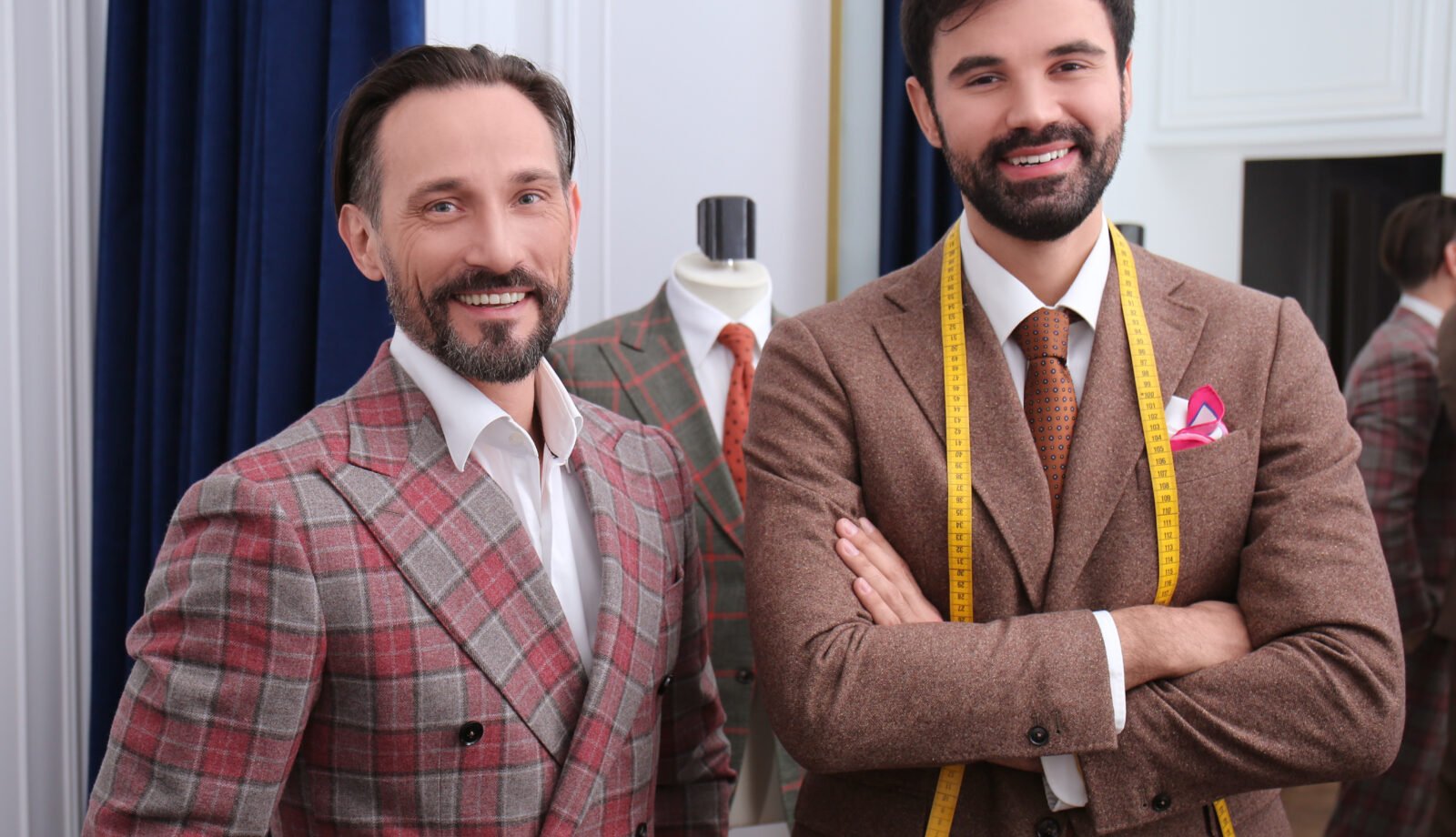
Few topics in menswear generate as much discussion as Italian and British tailoring. Both traditions have shaped modern suiting, influenced some of the world’s finest tailoring houses, and continue to define how people think about a well-made suit.
But the differences extend far beyond nationality.
The way a jacket sits on the shoulders, how the chest is constructed, the weight of the cloth, and even the philosophy behind the garment all reflect different approaches to tailoring.
Understanding these distinctions doesn’t mean choosing one over the other. It helps you choose the style that best suits your profession, climate, and personal preferences.
British Tailoring Was Built Around Structure
British tailoring developed in a cooler climate where heavier fabrics and layered dressing were part of everyday life.
Traditionally, British suits are characterised by:
- stronger shoulder definition
- more structured chest construction
- heavier cloth weights
- cleaner, straighter lines
- a more formal silhouette
The result is a jacket that creates a strong architectural shape.
This style has long been associated with:
- business leaders
- legal professionals
- diplomats
- formal corporate environments
Because of its structure, British tailoring often projects authority and consistency.
Italian Tailoring Prioritises Natural Movement
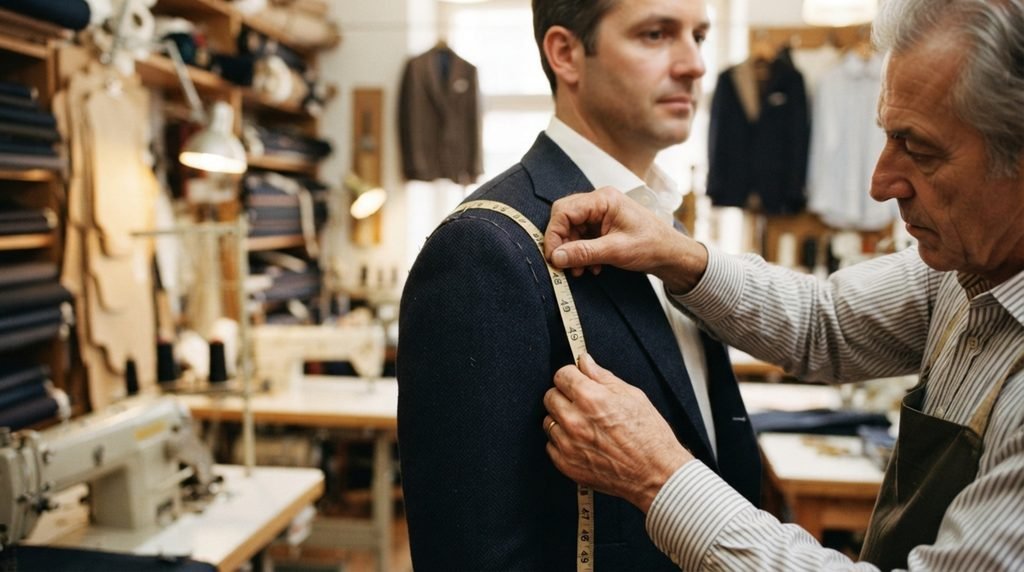
Italian tailoring evolved differently.
Rather than emphasising structure, many Italian tailoring houses focused on making jackets feel lighter and more comfortable without losing elegance.
Common characteristics include:
- softer shoulders
- lighter canvassing
- less internal padding
- closer body movement
- a more relaxed silhouette
Instead of reshaping the body, Italian tailoring generally works with the wearer’s natural proportions.
The result often feels lighter from the moment the jacket is worn.
This approach has become increasingly popular among professionals who spend long days travelling, attending meetings, or moving between different environments.
The Shoulder Tells the Story
If you compare a British and Italian jacket side by side, the shoulder usually reveals the biggest difference.
A traditional British jacket often features a more defined shoulder line, creating a structured appearance that frames the upper body.
Italian tailoring typically softens this transition.
The shoulder follows the body’s natural shape more closely, creating a smoother silhouette that feels less rigid during movement.
Neither approach is technically better. Each creates a different visual impression.
Fabric Choices Reflect Different Climates
Climate has always influenced tailoring traditions.
British tailoring has historically favoured:
- heavier worsted wool
- flannel
- tweed
- structured cloths
These fabrics perform well in cooler weather while supporting the jacket’s architecture.
Italian tailoring generally embraces:
- lighter wool
- open-weave fabrics
- linen
- wool-linen blends
- fabrics with more natural drape
These materials are well suited to warmer climates and encourage greater breathability.
At House of Tailors in Dubai, fabric recommendations often take inspiration from Italian tailoring because lighter cloths perform more comfortably in the UAE throughout much of the year.
The Difference Is Also Philosophical
Perhaps the biggest distinction isn’t technical—it’s conceptual.
Traditional British tailoring often builds the garment around structure. The jacket creates a clear silhouette, regardless of the wearer’s natural posture.
Italian tailoring generally begins with the wearer.
The goal is to allow the garment to move naturally while maintaining proportion and elegance.
This difference influences almost every decision:
- shoulder construction
- canvassing
- lining
- sleeve attachment
- overall weight
It is less about appearance in isolation and more about how the suit feels throughout the day.
Modern Tailoring Often Combines Both
Today’s tailoring rarely follows one tradition exclusively.
Many bespoke tailors combine elements from both schools depending on the client’s needs.
For example, a client may choose:
- the clean structure associated with British tailoring
- softer shoulders inspired by Italian tailoring
- lightweight fabrics suited to the Dubai climate
- modern construction for greater comfort
At House of Tailors in Dubai, tailoring is not limited to one regional style. Instead, each garment is developed around the client’s profession, lifestyle, and intended use.
This flexibility allows the final suit to perform better than simply following one tradition.
Which Style Works Better in Dubai?
For professionals living in Dubai, climate plays an important role.
Lighter construction, breathable fabrics, and softer jackets often provide greater comfort throughout the year.
That doesn’t mean fully structured tailoring has no place.
Clients attending:
- board meetings
- formal ceremonies
- black-tie events
- evening receptions
may still prefer the stronger silhouette associated with British tailoring.
The decision should reflect both the environment and how the garment will be worn most often.
Choosing the Right Style for Your Lifestyle

Rather than asking whether Italian or British tailoring is superior, consider how you use your wardrobe.
Someone working in a traditional corporate environment may appreciate the sharper structure of British tailoring.
A founder who travels frequently between meetings, flights, and networking events may prefer the lighter feel of Italian-inspired construction.
For many clients, the ideal solution sits somewhere between the two.
Final Thought
Italian tailoring and British tailoring represent two of the most influential traditions in menswear, each shaped by different climates, cultures, and ways of dressing.
One emphasises structure and definition. The other prioritises natural movement and lighter construction.
The best suit isn’t determined by where its style originated. It’s determined by how well it suits the person wearing it.
That’s why bespoke tailoring begins with understanding the client before deciding how the garment should be built.