
Luxury fashion and bespoke tailoring are often placed in the same category, but they operate very differently. One is built around brand identity and seasonal collections. The other is built around the individual wearing the garment.
For clients considering where to invest—especially when purchasing formalwear, business suits, or occasion clothing—it helps to understand what separates a bespoke suit from a luxury designer piece beyond the label itself.
The Starting Point Is Completely Different
A luxury designer brand usually starts with a collection.
The garment is designed first, then produced across standard sizes.
Bespoke tailoring works in reverse.
The client comes first:
- posture
- body balance
- movement
- lifestyle
- personal preferences
Everything is built around that individual.
This changes the entire outcome of the garment—not just the fit, but how naturally it sits on the body.
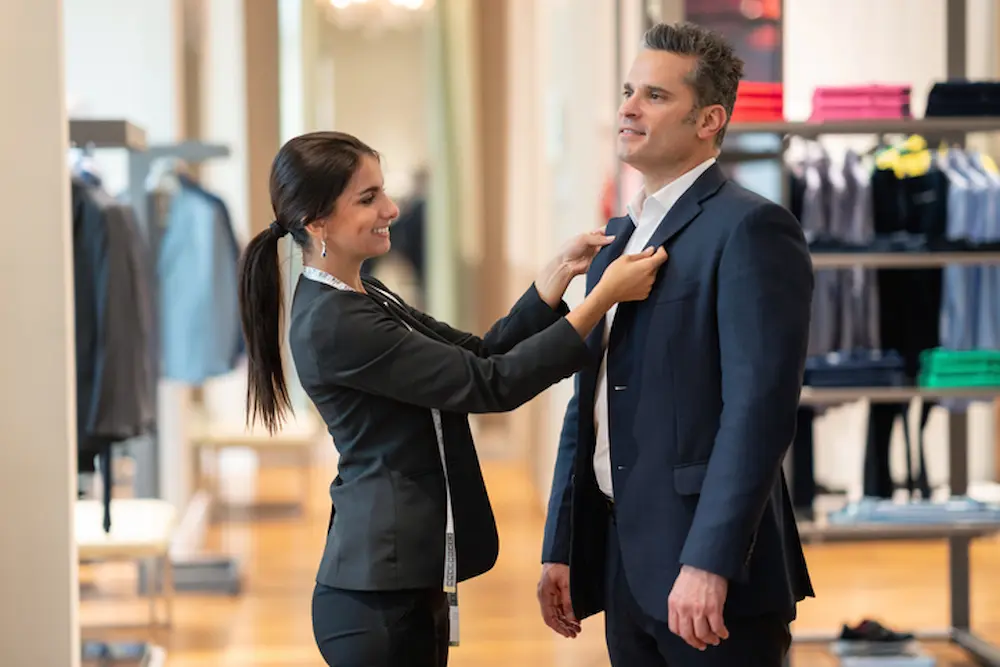
Fit: Altered vs Built
One of the biggest misconceptions is that alterations and bespoke tailoring are interchangeable. They are not.
A designer suit is adjusted after production:
- sleeves shortened
- waist adjusted
- trouser length corrected
But the core proportions remain fixed.
With bespoke tailoring:
- the shoulder line is drafted for the client
- jacket balance is adjusted to posture
- sleeve pitch accounts for arm position
- trouser rise reflects stance and body shape
At House of Tailors in Dubai, this process begins before fabric is even cut.
The difference becomes noticeable in movement. A bespoke suit tends to feel less restrictive because it was built around the wearer rather than adapted afterwards.
Branding vs Construction
Luxury designer pricing is influenced heavily by:
- brand positioning
- runway presence
- retail locations
- marketing
- exclusivity
That does not automatically mean poor quality. Many designer brands produce strong garments.
But a large part of the price often sits outside the garment itself.
In bespoke tailoring, a greater percentage of the cost is tied directly to:
- fabric
- construction
- labour
- fittings
- pattern development
Two suits may sit at a similar price point while prioritising completely different things.
The Fabric Conversation Is Different
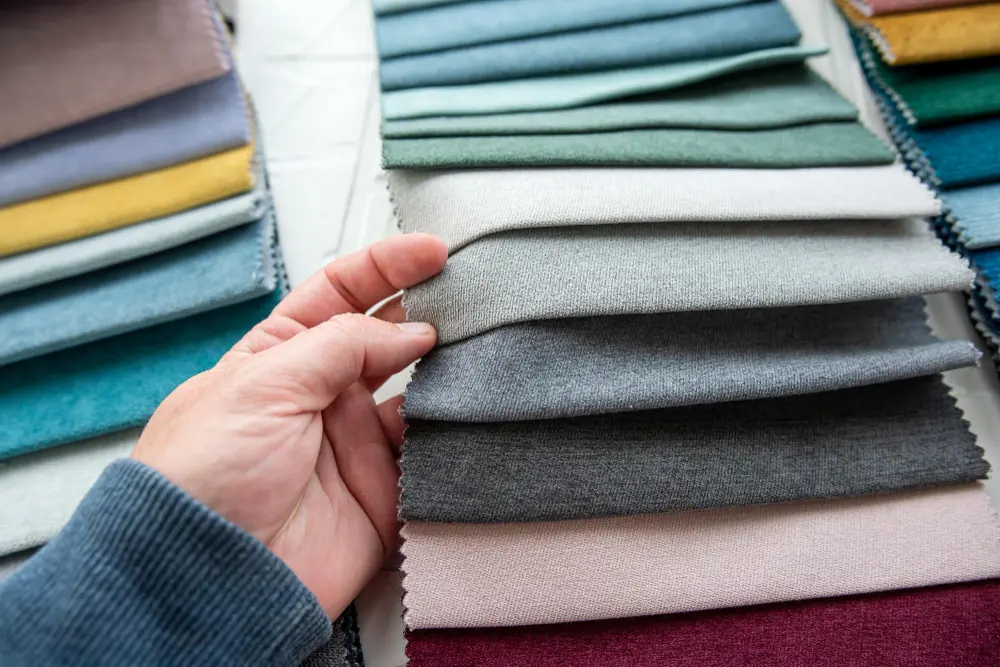
Designer brands usually work within seasonal collections. Choices are limited to what the brand releases.
Bespoke tailoring offers significantly more control:
- fabric mills
- fabric weights
- lining choices
- canvas construction
- finishing details
For clients in warmer regions, this matters.
Someone building a wardrobe in the UAE may require:
- lighter wool
- open weaves
- reduced lining
- breathable structure
These details rarely become the focus in ready-to-wear luxury retail.
At House of Tailors in Dubai, fabric selection is usually tied directly to where and how the garment will be worn rather than seasonal fashion direction.
Longevity vs Rotation
Designer fashion moves quickly. Collections change constantly.
Bespoke tailoring usually operates on a longer timeline.
Clients often return to:
- improve an existing pattern
- build wardrobe continuity
- maintain consistency across garments
The relationship becomes cumulative.
Over time, this tends to create:
- better fit consistency
- more wearable wardrobes
- fewer unnecessary purchases
This is one reason many professionals eventually shift toward bespoke after years of buying ready-to-wear luxury clothing.
Which One Makes More Sense?
The answer depends on what the client values most.
Luxury designer brands often appeal to:
- fashion-led buyers
- trend-driven wardrobes
- strong brand recognition
- seasonal styling
Bespoke tailoring appeals more to clients focused on:
- fit
- long-term wear
- personalisation
- wardrobe consistency
Neither approach is inherently wrong. They simply serve different priorities.
Some clients even combine both:
- designer pieces for casualwear or statement items
- bespoke tailoring for business, weddings, and formalwear
Why More Clients Are Reconsidering Bespoke
Over the past few years, there has been a noticeable shift among professionals and frequent luxury buyers.
Clients are becoming more selective about:
- how garments fit
- how often they are worn
- how long they last
- whether the purchase still feels relevant after a season
This has pushed many toward bespoke tailoring—not necessarily for exclusivity, but for practicality.
A well-made bespoke suit tends to remain useful far longer than trend-led purchases.
Final Thought
Luxury branding and bespoke tailoring operate on different ideas of value.
One prioritises identity through the brand.
The other prioritises the individual wearing the garment.
For clients who care deeply about fit, comfort, and long-term wearability, bespoke tailoring offers something difficult to replicate through standard sizing alone: clothing built specifically around them.