

Not long ago, business dressing followed a clear script. Dark suits, structured shirts, and a predictable rotation from Monday to Friday. Today, that structure still exists—but it has evolved.
Global work culture, shaped by hybrid work, cross-border teams, and changing expectations, is redefining how professionals approach what they wear.
The suit hasn’t disappeared. It has simply adapted.
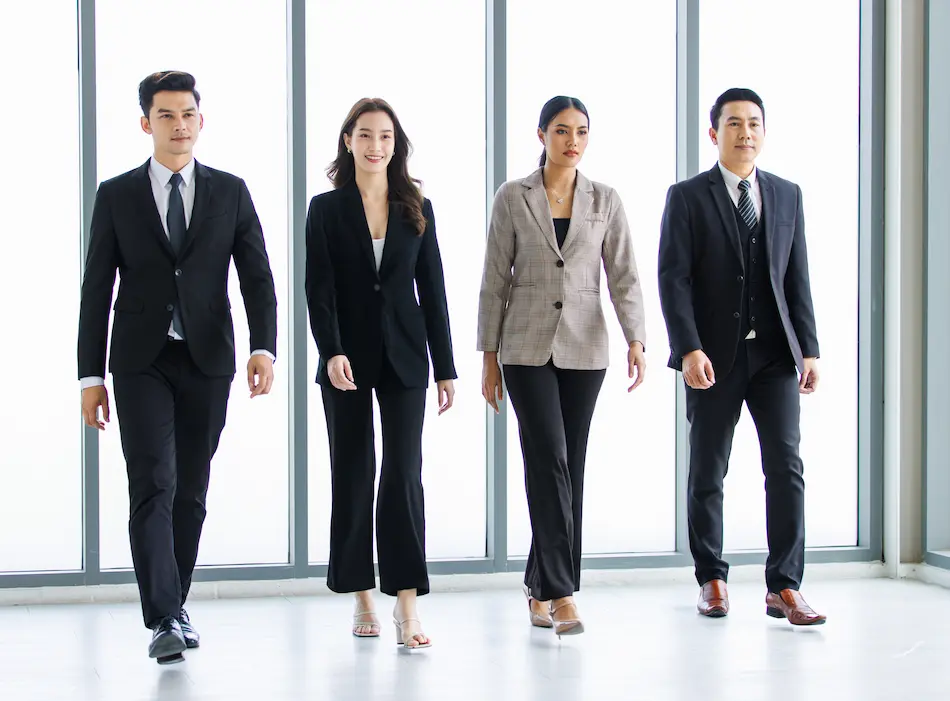
From Uniform to Personal Expression
The idea of “dressing for the office” is no longer about following a fixed standard.
Professionals today dress based on context, role, and environment.
- A founder may choose relaxed tailoring without a tie
- A senior executive may prefer structured suits in lighter fabrics
- A creative professional may combine tailoring with casual elements
The shift is not towards dressing down—it’s towards dressing with relevance.
The Impact of Hybrid Work
Hybrid work has changed how often—and why—people dress formally.
Instead of dressing up every day, professionals now dress with purpose:
- Important meetings
- Client interactions
- Key office days
- Events and networking
This has led to a more focused wardrobe:
- Fewer garments
- Better quality
- Greater flexibility
A suit today is worn when it matters—not out of routine.

Comfort Is Now Non-Negotiable
In regions like the UAE, comfort has become a central part of how people choose their clothing.
This has influenced:
- Fabric choices that allow better airflow
- Lighter construction that reduces heaviness
- Fits that allow ease of movement throughout the day
Professionals are no longer willing to wear something that looks good but feels restrictive. The expectation is clear: it should do both.
Global Exposure, Local Adaptation
With professionals working across cities like Dubai, London, and Riyadh, there is a clear exchange of style influences.
- European tailoring brings structure and proportion
- Middle Eastern climates demand lighter, breathable fabrics
- Frequent travel requires adaptable wardrobes
This has created a more balanced approach to business dressing—where global influence meets local practicality.
For many clients working with House of Tailors in Dubai, this often translates into garments that feel appropriate across multiple environments without needing constant adjustment.
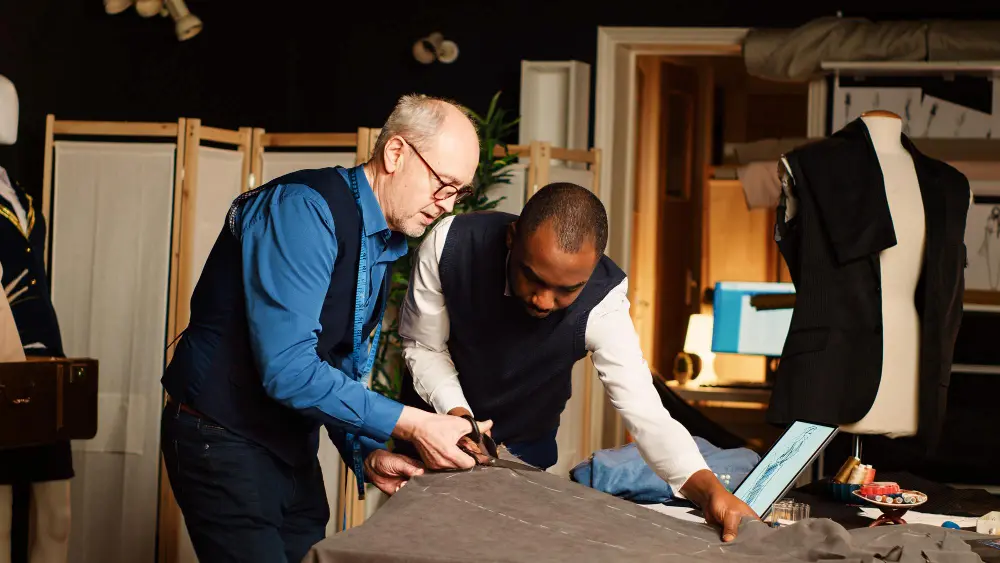
The Move Towards Versatility
A modern wardrobe is no longer built around separate outfits. It’s built around pieces that work across different settings.
- A blazer that pairs with both formal trousers and casual options
- A suit that can be worn together or as separates
- Shirts that transition from meetings to evening plans
This approach allows professionals to get more out of fewer garments—without compromising on presentation.
What This Means for Tailoring
This shift has changed what clients expect from tailoring.
It’s no longer just about creating a suit. It’s about understanding:
- How the client works
- Where they spend their time
- What they actually need their wardrobe to do
At House of Tailors in Dubai, this process often begins with a detailed consultation—where decisions are based not just on style, but on lifestyle.
The result is clothing that fits into real schedules, not just formal occasions.
Final Thought
Business dressing hasn’t become less relevant—it has become more considered.
The modern professional is not looking for more clothing. They are looking for clothing that performs, adapts, and aligns with how they operate.
And in that shift, tailoring continues to play a central role—helping individuals present themselves with clarity, wherever they are working from.