
Most people judge a suit by its fabric or color. Experienced dressers look at something else first—balance.
A well-balanced jacket sits clean on the body, moves naturally, and holds its shape from the first meeting of the day to the last. It does not pull, collapse, or shift out of place. This is what separates an average garment from one that is properly tailored.
For professionals investing in bespoke suits in Saudi Arabia, balance plays a central role. It determines how a jacket fits, how it moves, and how it is perceived.
What “Balance” Means in a Suit Jacket
Balance refers to how the jacket aligns with the wearer’s body — from the shoulders to the hem.
When it is correct:
- The front and back lengths sit evenly
- The collar rests clean against the neck
- The jacket closes without tension
- The hem remains level when standing naturally
In bespoke tailoring in Saudi Arabia, this is adjusted based on posture, stance, and body proportions — something standard sizing cannot account for.
The Role of the Shoulders

The shoulder is the starting point of any suit jacket. If it is off, everything else follows.
A well-cut shoulder:
- Matches the natural slope of the body
- Sits clean without dents or pressure points
- Allows ease of movement
Tailors in Saudi Arabia who specialize in luxury tailoring spend significant time perfecting this area, as it defines the structure of the entire garment.
Chest and Drape
The chest is where the jacket comes to life.
A balanced chest:
- Lies smoothly without pulling
- Allows a natural drape
- Maintains shape when buttoned
This is where many off-the-rack jackets fail. The result is often tightness across the front or excess fabric that disrupts the line of the suit.
With tailored suits in Saudi Arabia, the chest is shaped around the wearer, creating a clean and stable front profile.
Lapel Proportion and Position
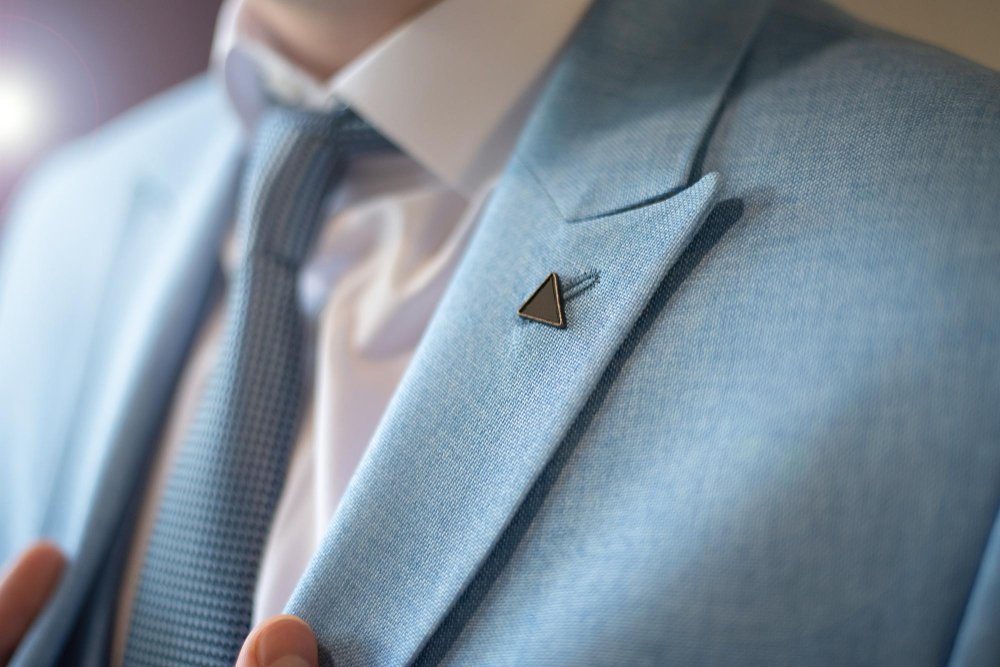
Lapel design influences how the jacket is perceived as a whole.
Key elements include:
- Lapel width relative to the body
- Gorge position
- The roll of the lapel
When these are in proportion, the jacket feels balanced visually. When they are not, even a well-fitted suit can appear off.
Jacket Length and Overall Proportion
Jacket length is often overlooked, but it plays a major role in balance.
A well-proportioned jacket should:
- Cover the seat appropriately
- Divide the body evenly
- Align with the wearer’s height
Too short, and the jacket looks incomplete. Too long, and it appears heavy.
Experienced tailors adjust length carefully, especially for clients looking for bespoke suits in Saudi Arabia, where both modern and classic proportions are in demand.
Sleeve Pitch and Movement
Sleeve pitch refers to how the sleeve is angled based on how the arms naturally rest.
When done correctly:
- Sleeves fall straight without twisting
- Movement feels natural
- There is minimal creasing at rest
Incorrect sleeve pitch is one of the most common issues in ready-made suits, even when the size appears correct.
The Back: Where Balance Becomes Visible
The back of the jacket reveals whether the balance is right.
A well-balanced jacket:
- Lies flat across the upper back
- Shows no horizontal pulling lines
- Falls clean over the hips
In warmer regions, where lightweight wool suits and other breathable materials are common, poor balance becomes even more noticeable.
Fabric and Construction Work Together
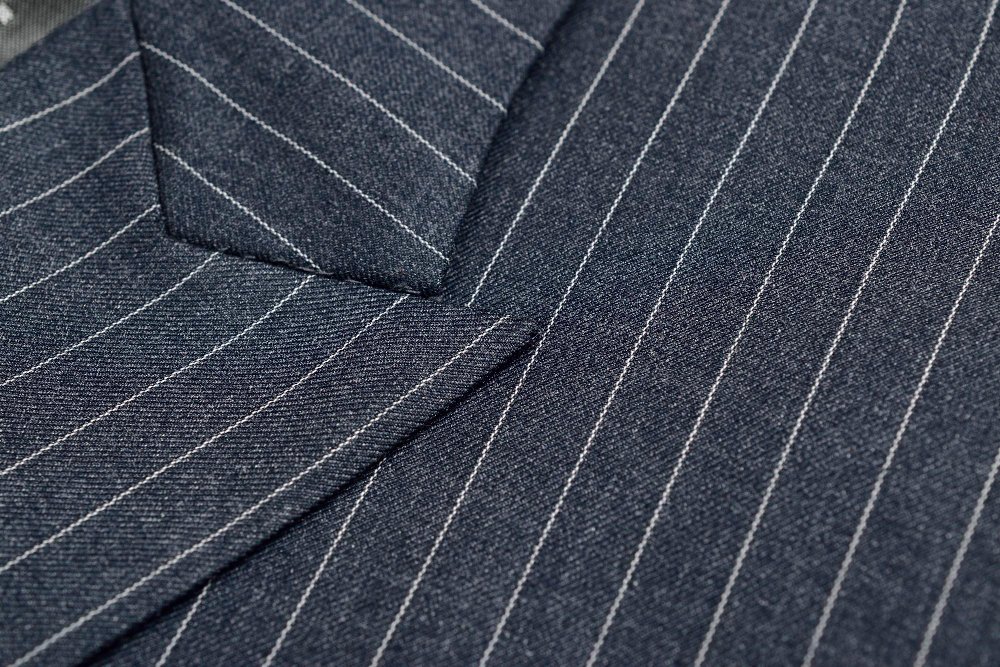
Balance is not only about measurements. Fabric and construction also influence how a jacket behaves.
- Breathable suit fabrics help maintain comfort throughout the day
- Structured materials hold shape better
- Lighter fabrics require careful construction to avoid collapse
This is particularly relevant in GCC climate tailoring, where garments must perform in both heat and air-conditioned environments.
Why Balance Matters
A well-balanced jacket does not stand out on its own — but it changes how everything else looks.
It affects:
- How the jacket moves
- How it sits throughout the day
- How the wearer is perceived in professional settings
Most issues people experience with suits—pulling, twisting, and discomfort—are not caused by fabric. The key to achieving a well-fitted suit lies in achieving the right balance.
Final Thought
A suit jacket is built, not just worn.
When the shoulders, chest, sleeves, and length work together, the result is a garment that feels natural and consistent from every angle.
This is why experienced tailoring houses, such as House of Tailors, working with clients across Saudi Arabia, place strong emphasis on balance from the very first fitting. Because when balance is right, everything else follows.