The suit, for centuries, has been the quintessential symbol of sophistication and formality. Yet, in an increasingly relaxed world, the traditional tie often feels like an unnecessary appendage. But ditching the neckwear isn’t as simple as just taking it off. To truly master the tie-optional suit is to embrace a new form of effortless elegance, a style that speaks of confidence and contemporary flair without sacrificing an ounce of sartorial charm.
This isn’t about laziness; it’s about intentional style. It’s about understanding the nuances that elevate a tie-less suit from “I forgot my tie” to “I chose not to wear one, and I look fantastic.” Let’s delve into the art of making the suit-without-tie look work for you.
The Foundation: Your Suit Matters More Than Ever
When the tie is absent, the suit itself takes center stage. Its fit, fabric, and color become paramount. A poorly fitting suit, one that’s too baggy or too tight, will be amplified by the lack of a tie to distract from its flaws.
Fit is King: This cannot be stressed enough. A well-tailored suit that drapes perfectly on your shoulders, tapers correctly at the waist, and has trousers that break just right is non-negotiable. If you’re going tie-less, invest in tailoring. It will make all the difference. Think of it as your primary accessory.
Fabric Finesse: While a crisp worsted wool suit is a classic choice, venturing into more textured fabrics can add visual interest when the tie is gone. Linens, cottons, or even hopsack weaves for warmer weather or more casual settings can inject personality. These fabrics naturally lean into a less formal aesthetic, making the absence of a tie feel more natural.
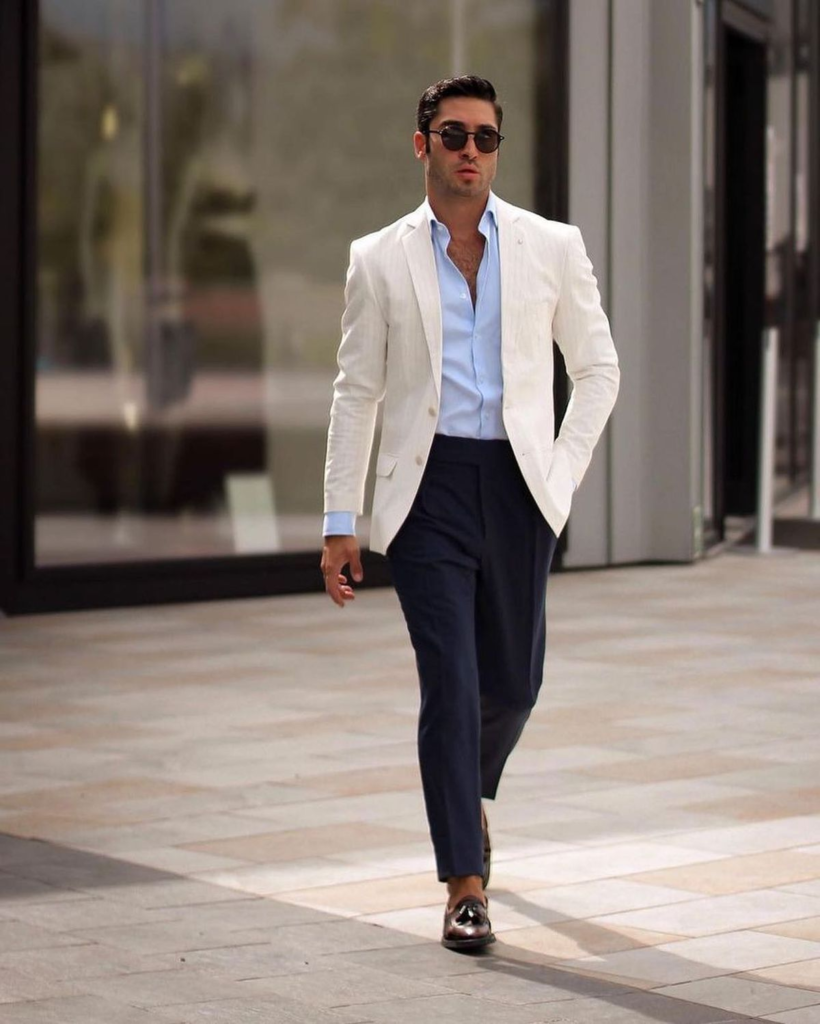
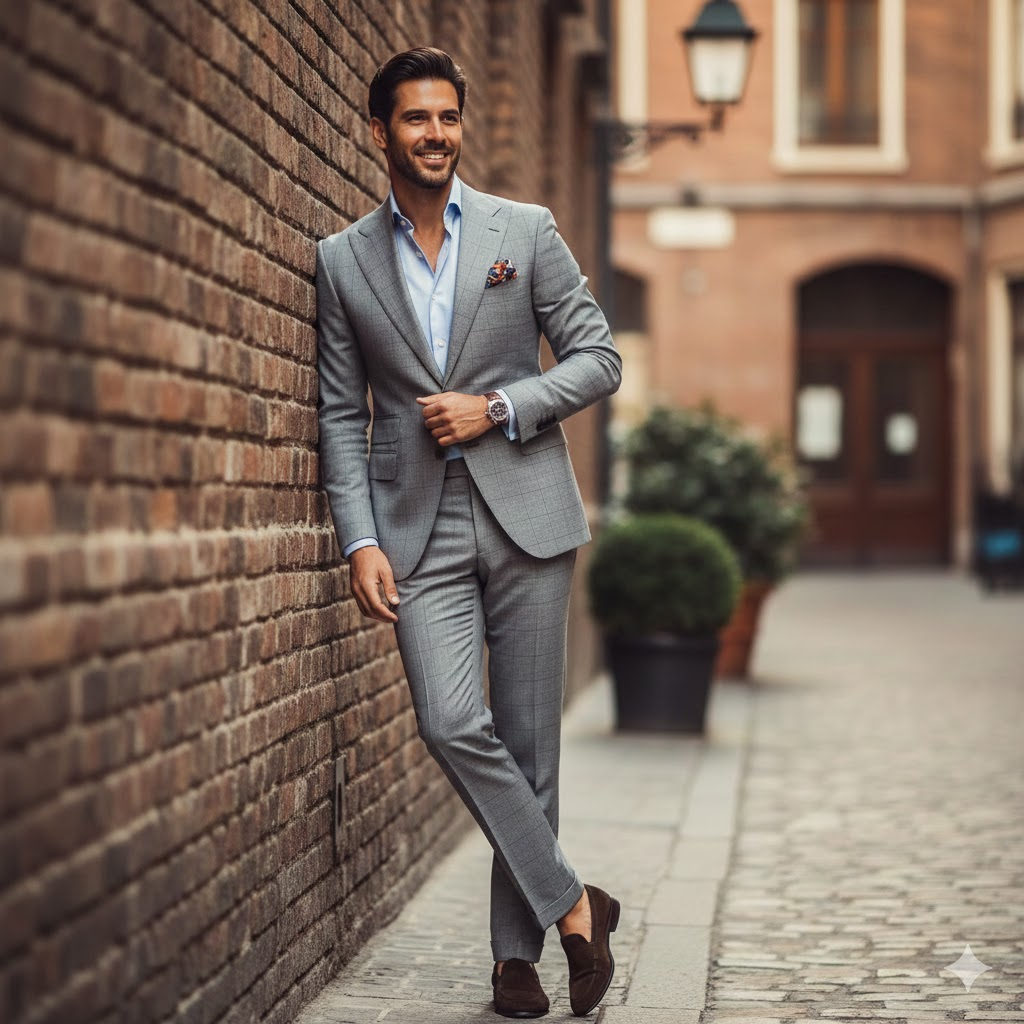
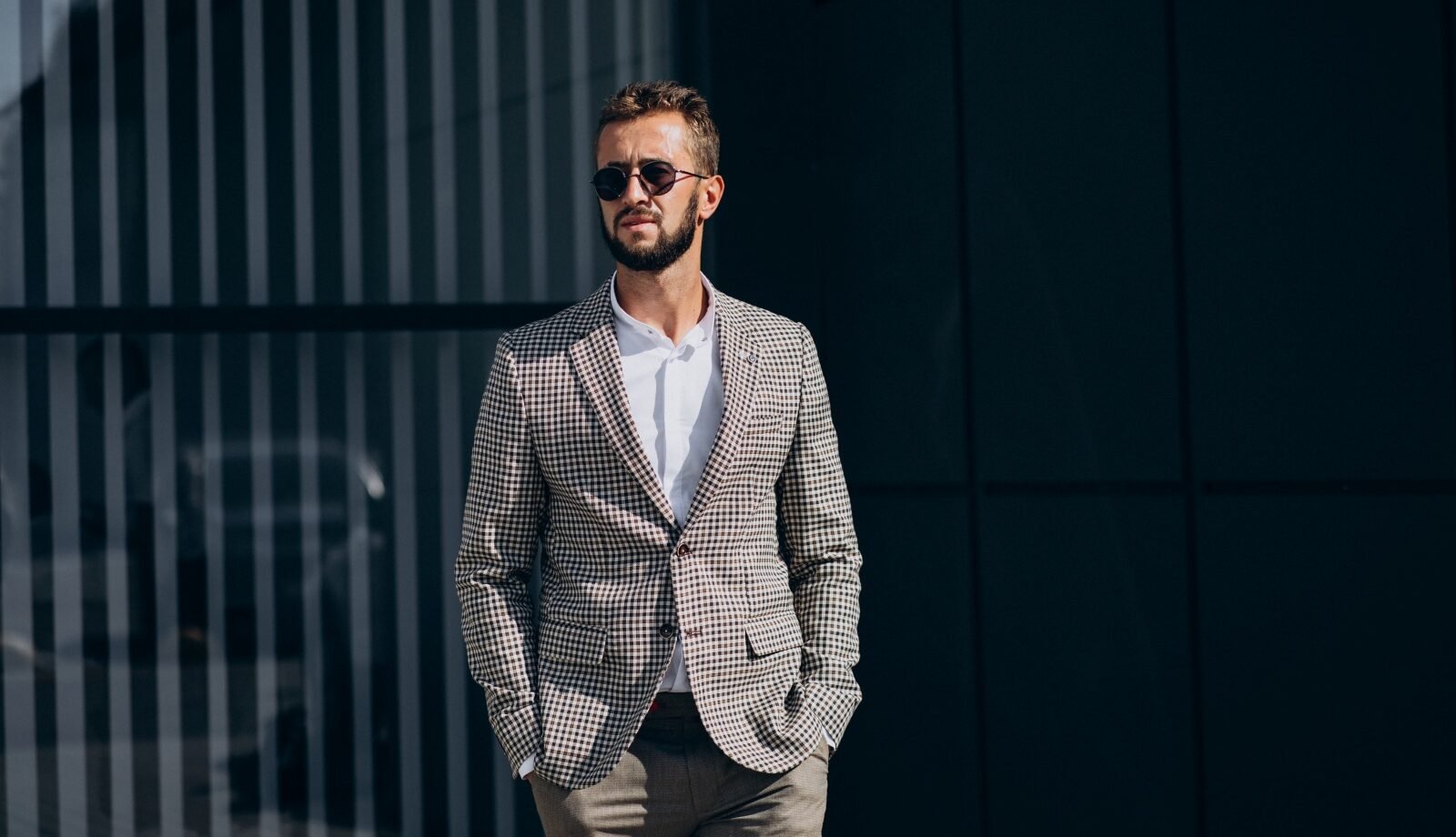
Color and Pattern Play: Darker, solid suits (navy, charcoal, black) are always safe bets, but don’t shy away from subtle patterns like a fine check or a muted plaid. These can add depth without being overwhelming. Lighter colors like beige or light grey are fantastic for spring and summer, exuding a relaxed yet refined vibe.
The Shirt: Your New Focal Point
With no tie, your shirt becomes the most prominent element of your upper body. Choosing the right shirt is crucial to achieving that “effortless elegance.”
The Collar is Key: This is perhaps the most important consideration. A limp, unstructured collar will instantly undermine your look. Opt for shirts with substantial collars that stand up on their own and frame your face well. Spread collars, cutaway collars, or even a semi-spread can work beautifully. Button-down collars, while inherently more casual, can be pulled off with the right suit and attitude, especially for a smart-casual aesthetic. Avoid collars that are too small or narrow, as they can look out of proportion without a tie.
Unbutton with Intention: The number of buttons you leave undone sends a strong message. One button undone is generally safe and sophisticated. Two can work, but venture beyond that at your own peril – it quickly veers into overly casual or even sloppy territory. The goal is to show a hint of collarbone, not a chest rug.
Fabric and Pattern: Crisp cotton shirts are a given, but don’t be afraid to experiment with chambray for a more relaxed feel, or even a fine knit polo shirt for a truly modern and casual take on the suit. Subtle patterns like thin stripes or micro-ginghams can add character, but avoid anything too bold or busy that might clash with your suit.
The Details: Elevating Your Look
Without a tie, you have an opportunity to let other elements of your outfit shine.
Pocket Square Power: A pocket square is almost a necessity when going tie-less. It provides that missing pop of color, texture, and personality that the tie would normally offer. Don’t match it perfectly to your shirt; instead, choose a complementary color or pattern that ties into the overall palette of your outfit. A silk square for formality, or linen/cotton for a more relaxed feel.
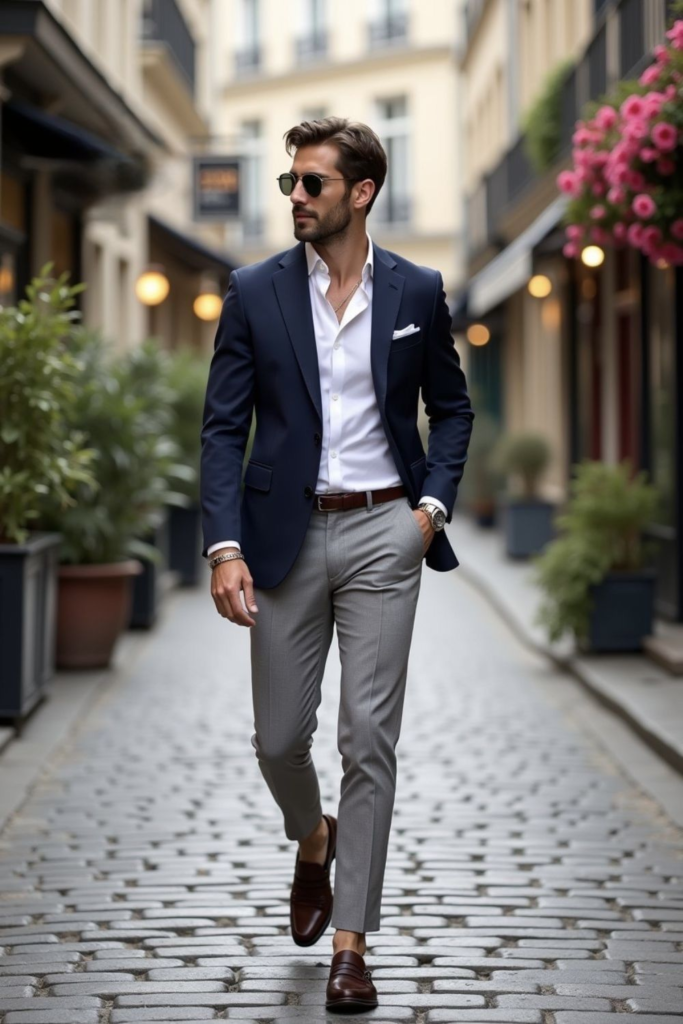
Footwear Matters: Your shoes complete the look. Loafers, sleek sneakers (yes, they can work with the right suit and attitude!), Chelsea boots, or classic leather oxfords can all be appropriate depending on the context and the overall formality of your suit. Ensure they are clean, polished, and well-maintained.
Accessories (Less is More): A tasteful watch, a simple bracelet, or even subtle lapel pin can add a touch of individuality. However, avoid overloading yourself with accessories; the tie-optional look thrives on understated sophistication.
When to Go Tie-Optional
The beauty of the tie-optional suit is its versatility.
- Smart Casual Events: Dinners, art gallery openings, fashionable brunches – these are prime opportunities.
- Creative Work Environments: Many modern offices embrace a more relaxed dress code.
- Date Nights: Show your stylish side without feeling overly stuffy.
- Travel: Comfortable and chic for business or leisure.
However, know your audience and the occasion. For highly formal events, traditional business meetings, or black-tie affairs, the tie remains indispensable.
The Confidence Factor
Ultimately, pulling off the tie-optional suit isn’t just about the clothes; it’s about the confidence with which you wear them. It’s about owning your style choice and feeling comfortable in your skin. When you feel good, you look good.
So, next time you reach for your suit, consider leaving the tie in the drawer. Embrace the freedom, experiment with the details, and discover the effortless elegance of the tie-optional suit. You might just find your new signature look.
Here is an example of a well-executed tie-less suit look: